Chemical Laboratory Icon Design Review for Real Embroidery Projects
As an experienced designer and embroidery product reviewer, I often evaluate digital designs based on how they’ll perform in the real world—on fabric, with needles, and ultimately in the hands of customers. Today, I’m taking a close look at the Chemical Laboratory Icon Design, a graphics-based freebie that promises to deliver a bold and thematic design for custom embroidery projects.
First Impressions: Mood and Visual Personality
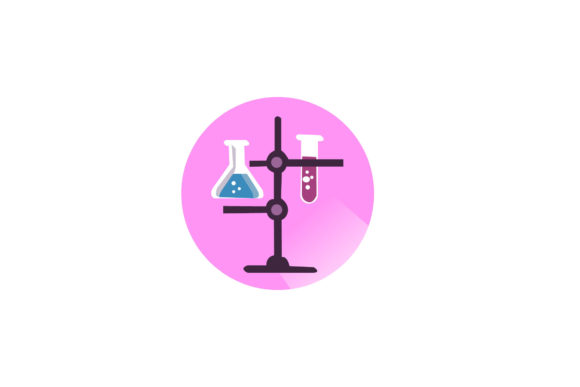
The Chemical Laboratory Icon Design immediately gives off a vibe of curiosity and creativity. It features stylized elements like beakers, test tubes, and molecular structures arranged in a balanced layout. The overall shape is rounded but structured enough to feel professional, making it versatile for both casual and more refined applications.
What stands out most is the attention to detail without overcomplication. This isn’t a busy or cluttered design—it’s clean, symbolic, and instantly recognizable as a science-themed motif. The visual personality leans into playful professionalism, which could work well for niche markets like boutique STEM-themed apparel or personalized gifts for young scientists.
Theme and Layout
The design uses geometric lines and minimal shading, which suggests it will translate well into various stitch types. The layout is centered, so it’s easy to position within a hoop. However, since it's part of a Graphics category under Freebies, I’d expect it to be primarily vector-based, likely optimized for machine embroidery files such as AI and EPS. These formats allow for scalability, but they don’t always reflect how the final stitched piece will look unless converted properly into embroidery software.
Real-Life Application Scenarios
I can already picture this design on a few different products. For example, if I were creating a custom sweatshirt for a high school chemistry class reunion, this icon would add a meaningful touch. Similarly, a tote bag with this design stitched near the bottom corner could serve as a fun and functional item for a local craft fair or Etsy listing.
Sweatshirt embroidery and tote bag design are two strong use cases here. The size and detail level of the Chemical Laboratory Icon make it suitable for larger surfaces where it can breathe and maintain clarity. In a baby clothing line, though, I might hesitate unless it was resized and simplified for baby embroidery.
This design also has potential for embroidered patches, especially those used for badges or club memberships. Its structured layout makes it easier to define boundaries and manage stitch types across its components. For nursery decor or holiday gifts, consider using it subtly as part of a themed collection rather than as a standalone element.
Commercial vs. Personal Use
Because this design is labeled as a freebie, I recommend checking its licensing before using it in any commercial embroidery project. While many free designs are safe for personal use, their terms may limit resale of the finished product or redistribution of the digital embroidery file. As a small shop owner or Etsy seller, you want to avoid legal hiccups when branding your items.
That said, for craft business owners looking to offer a unique, educational theme in their handmade products, this could be a valuable asset—especially when paired with other science-related design assets for a cohesive brand identity.
Performance in Real Embroidery Situations
When evaluating how a design performs during stitching, I focus on factors like stitch density, thread colors, and hoop size. The Chemical Laboratory Icon Design seems promising, but there are a few considerations to keep in mind.
On smooth, medium-weight fabrics, the design should hold up well. But if you're planning to stitch it onto textured fabric like denim or flannel, some details may get lost or distorted. Likewise, thin or stretchy materials like knits might require extra stabilizer to prevent puckering or misalignment.
Thread Color Contrast and Fabric Background
One thing I notice from the description is that no thread color palette is provided. That means the user must decide on their own. If you’re aiming for a classic look, white or black thread colors will work best. But if you’re going for something bolder, experimenting with bright or metallic threads could enhance the design’s impact.
Also, keep in mind how the design looks on dark fabric backgrounds. Without clear contrast, it might not pop the way you expect. Always test it on scrap fabric first—especially if you're planning to use it in a printable mockup for online listings or client previews.
Where to Use Carefully
While the Chemical Laboratory Icon is a solid choice for many projects, it's not universally perfect. Here are a few situations where you might need to adjust your approach:
- Small hoop sizes: The design includes several detailed elements that may become hard to read or lose quality when scaled down.
- Curved surfaces (e.g., caps): The structure of the design may not adapt well to curved areas without distortion.
- Dense stitch areas: Some parts of the design may require careful editing to reduce bulk and ensure smoothness.
- Frequent washing (e.g., kitchen towels): Designs with intricate corners or fine details may wear faster if not reinforced correctly.
If you're considering this for small shop products or personalized gifts, these nuances are important. You wouldn't want a once-vibrant design to fade or warp after just a few uses.
Design Integrity and Stitch Clarity
After converting the AI/EPS files into an embroidery format, I'd inspect each section carefully. Look for tight corners and check whether the stitch directions flow smoothly. If you're using satin stitch for outlines, ensure the width accommodates the chosen thread count and doesn’t risk breaking. Fill stitch sections should be spaced evenly to avoid clumping or gaps.
For running stitch elements like borders or connecting lines, verify that the spacing is consistent. These small adjustments can significantly affect how the final piece looks and feels—especially for handmade product lines where quality matters.
Visual Appeal and Customer Reactions
From a visual standpoint, the Chemical Laboratory Icon Design adds character without being overwhelming. It's a great fit for custom apparel and personalized gifts aimed at kids or teens interested in science. Parents love thoughtful, thematic designs, and this one could easily become a favorite in holiday embroidery or back-to-school collections.
However, customer reactions can vary depending on the context. For a professional-looking product, this design works well if placed appropriately. But if it's too large or used inappropriately (like on a wedding gift), it might not resonate with all audiences.
Product Value and Brand Consistency
Incorporating this design into your craft business can boost perceived value, particularly if your brand focuses on education, creativity, or niche interests. It helps establish brand recognition and gives your Embroidery Project a unique edge.
But remember: consistency is key. If you plan to feature this design across multiple product lines, ensure it aligns with your existing styles. Mixing a scientific motif with overly whimsical or vintage designs could confuse your audience or dilute your brand message.
Designer Notes and Best Practices
Here are my top recommendations for working with the Chemical Laboratory Icon Design:
- Test it on scrap fabric first to see how the stitches behave and how the design looks in person.
- Check thread color contrast against your chosen fabric—consider using a black-and-white mockup to visualize better.
- Review stitch density in dense areas to avoid puckering or unnecessary bulk.
- Confirm hoop size requirements. Since the canvas is 1920px X 1280px, you’ll likely need a mid to large-sized hoop unless you resize it.
- Inspect small details like corners and inner lines. They may need manual tweaking for optimal results.
- Use proper stabilizer for tricky fabrics. A tear-away or cut-away stabilizer could help maintain the design's integrity.
- Compare light and dark fabric backgrounds in your mockups. This will help determine visibility and aesthetics.
- Check whether the design works for both personal and commercial projects by reviewing its license terms.
These steps will help you maximize the design’s potential while minimizing risks associated with poor execution. Whether you're an apparel decorator, digital product seller, or creative entrepreneur, attention to these details ensures a polished outcome.
Final Thoughts
The Chemical Laboratory Icon Design is a well-structured, thematically rich option for a variety of embroidery projects. It brings a sense of purpose and charm to anything it adorns, from sweatshirts to patches, and even nursery decor. With the right preparation and testing, it can elevate your handmade product offerings and increase buyer engagement.
Just be sure to take the time to understand how it behaves on different materials and for various applications. Treat it like any other machine embroidery design—with care, precision, and a little bit of trial and error. And always confirm the licensing allows for the intended use, especially if you're selling the finished product or distributing the digital embroidery file.
With thoughtful placement and smart customization, this design can become a standout piece in your craft fair products or Etsy listings. It's not just about what looks good on screen; it's about how it translates into a tangible, lasting creation that people actually want to wear or display.