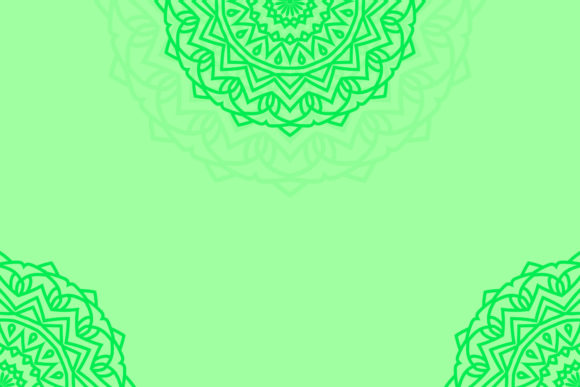
Mandala Background Art: A Versatile Graphic Design Asset for Creative Projects
As a professional graphic designer with years of experience in crafting visual concepts for clients across various industries, I often find myself evaluating design assets based on their adaptability, aesthetic quality, and practicality. When it comes to Mandala Background Art, the first impression is usually positive—its intricate patterns and organic shapes evoke a sense of balance, spirituality, and creativity. But does it hold up under real-world design scrutiny? Let’s dive into how this background graphic performs when applied to actual client projects.
Aesthetic Appeal and Visual Mood
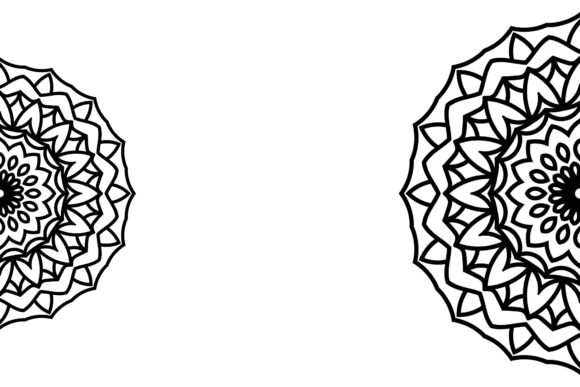
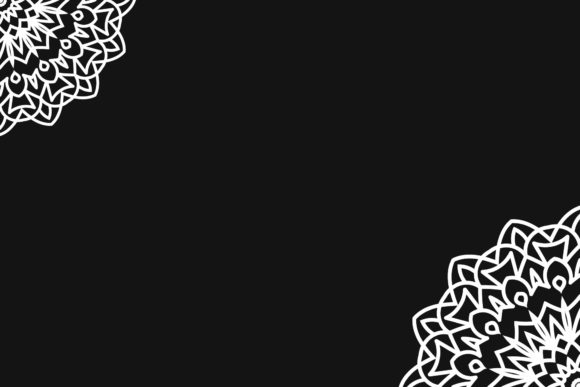
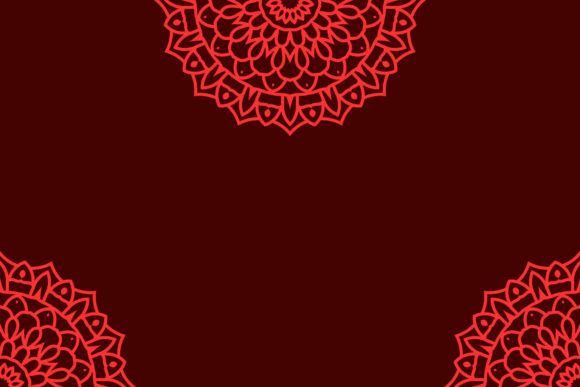
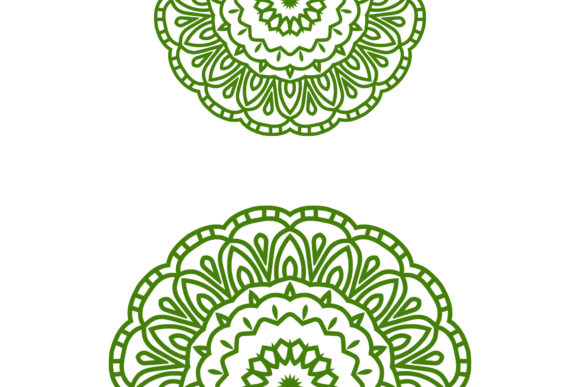
The mandala style has long been associated with mindfulness, wellness, and holistic living. Mandala Background Art typically features symmetrical, circular motifs that radiate outward from a central point. These designs are rich in detail, often incorporating floral elements, geometric shapes, and flowing lines. As a designer, I immediately notice how this type of background can set a calming, artistic tone for a project.
This kind of background works exceptionally well for brands centered around yoga, meditation, natural products, or any creative endeavor aiming to convey harmony and intentionality. The emotional appeal is subtle yet powerful, especially when used as a backdrop for editorial content or social media posts targeting lifestyle audiences.
Real-World Applications in Branding and Marketing
When considering brand identity work, Mandala Background Art serves more as a supporting element rather than a core component. It can enhance packaging details, product mockups, and promotional materials for handmade businesses or boutique product lines. For instance, an Etsy shop selling artisanal candles or bath salts might benefit from mandala accents in their product labels or shipping boxes to reinforce the brand's natural and spiritual vibe.
In logo design, however, I would use it cautiously. While it can add a decorative touch to a secondary logo variant or seasonal campaign, it may not be suitable for primary branding if the goal is a modern, clean look. That said, it can make excellent supporting graphics for website headers, blog visuals, or even print-on-demand merchandise like mugs or tote bags.
Use in Social Media and Digital Marketing
For digital marketing campaigns, especially those targeting niche markets such as wellness influencers or indie crafters, mandala backgrounds can help create a cohesive visual theme. They’re particularly effective in Pinterest pins, Instagram stories, and Canva templates where eye-catching, thematic imagery is key to engagement.
I’ve tested these types of graphics in hero sections of landing pages and found they contribute to a warm, inviting mood. However, care must be taken with contrast and layering—text placed over mandala backgrounds should be legible at all sizes, which brings me to the next important consideration.
Design Performance and Practical Considerations
Mandala Background Art is usually provided as vector files (SVG), which means it’s scalable without loss of quality. This is essential for printables, t-shirt designs, and sublimation prints where precision and clarity matter. Being able to edit the file ensures you can customize colors, remove unnecessary elements, or adjust layers to fit your specific layout needs.
- Large Layout Areas: Mandala backgrounds thrive in expansive spaces like posters, flyers, or web banners. Their repeating nature allows them to fill space elegantly.
- Hero Graphics: Ideal for creating impactful visual introductions to blogs, websites, or social media posts.
- Print Mockups: Works beautifully behind product photography in digital presentations or packaging samples.
- Decorative Accents: Perfect for adding texture or interest to minimalistic layouts without overwhelming them.
- Themed Collections: Great for seasonal campaigns, such as spring promotions or holiday cards.
Where to Use Carefully
- Small Sizes: Due to its complexity, mandala art can lose clarity when shrunk down for icons, thumbnails, or mobile-first designs.
- Crowded Layouts: If a design already has multiple elements, adding a busy mandala background may disrupt the visual hierarchy.
- Professional Corporate Materials: Unless the brand specifically aligns with alternative or creative industries, mandala graphics may appear too whimsical for formal documents or business cards.
- Low-Contrast Designs: Ensure there’s enough contrast between the background and foreground text or images. Otherwise, readability will suffer.
Readability and Visual Hierarchy
One of the most critical aspects of using any background asset is ensuring it doesn’t compromise the readability of the main content. In my experience, mandala backgrounds tend to work best when layered beneath bold typography or high-contrast illustrations. Using a sans serif font over them usually enhances clarity, while script or handwritten fonts may blend too much with the organic feel of the mandala.
To maintain visual hierarchy, I recommend limiting the prominence of mandala graphics. Let them serve as texture or mood enhancers rather than the focal point. For example, placing a muted mandala pattern in the background of a product label allows the name and tagline to remain the center of attention while still contributing to the brand’s personality.
Brand Consistency and Recognition
If a brand consistently uses mandala-inspired elements, this background can become part of a signature visual language. However, if the rest of the design system leans toward minimalism or modern aesthetics, mandala art may clash unless carefully integrated. I always test it alongside other brand assets—like color palettes and icon sets—to ensure it complements rather than competes.
It also helps to assess how the mandala looks in black and white. Some color gradients or intricate details may disappear in grayscale, affecting the visual trust and professionalism of printed materials or monochrome digital ads. This step is crucial before finalizing any commercial use.
Commercial Licensing and File Formats
Before integrating Mandala Background Art into a client project, I always confirm the commercial license terms. Some free assets restrict usage to personal projects, while premium ones offer full rights for logos, merch, and online platforms. Understanding these limitations prevents legal issues later down the line.
File formats are another key factor. SVG is preferred for scalability and flexibility, but PNG versions may also be included for quick drag-and-drop use in tools like Photoshop or Canva. Always check for transparency in PNG files and whether the vector format allows for easy editing in Illustrator or similar software.
Testing Across Platforms and Print
As a designer working with both digital and physical outputs, I place mandala backgrounds into real-world scenarios. How does it look on a Cricut project? Does it scale cleanly for a sticker design? Will it hold up in print on fabric or paper?
During testing, I’ve noticed that mandala backgrounds perform well in high-resolution printables and digital storefronts. However, when used in low-quality print environments, such as certain print-on-demand services, the fine details can get lost. It’s vital to request a preview or sample print run before committing to mass production.
Pairing With Typography and Other Assets
Choosing the right font is essential when pairing with mandala backgrounds. I generally avoid serif fonts unless the design is intentionally vintage or bohemian. Sans serif fonts provide the necessary contrast and clarity, while display fonts can add a unique flair without clashing too much with the background.
For creative marketplaces, I’ve seen mandala backgrounds paired effectively with soft pastel hues and botanical illustrations. These combinations resonate with customers looking for aesthetically pleasing, handcrafted digital products.
Conclusion: Is Mandala Background Art Worth Adding to Your Toolkit?
In summary, Mandala Background Art is a valuable addition to a designer’s toolkit, especially when working with lifestyle brands, handmade products, or themed campaigns. Its versatility in digital and printable formats makes it suitable for a wide range of applications—from editorial design to product mockups. Yet, its effectiveness depends heavily on context, contrast, and purpose.
While it may not be ideal for every project, it shines in creative environments where visual storytelling and mood are as important as clarity and simplicity. Whether you're designing for an Instagram post, a Canva template, or a collection of t-shirt designs, this asset can elevate your work with minimal effort—if used thoughtfully.
So, if you're considering mandala-based backgrounds for your next project, take time to review the file quality, licensing permissions, and how it interacts with your existing design elements. When done right, it can be a subtle yet powerful tool to enhance your design assets and connect with your audience on a deeper level.