★★★☆☆3.5(383 reviews)
Fly Embroidery Design Review: A Versatile Vector for Craft and Commerce
First Impressions of the Fly Icon
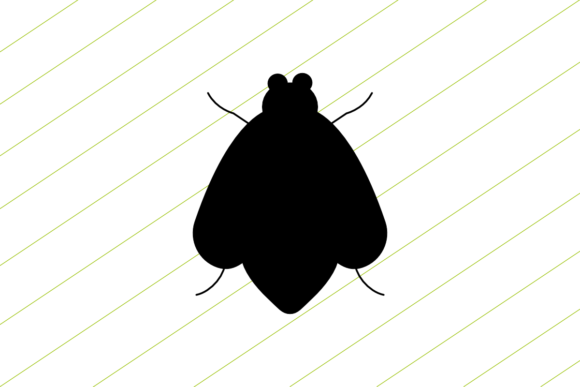
When I first opened the Fly vector editing files—SVG, PDF, PNG, EPS—I was immediately struck by its simplicity and charm. The design is a stylized bird in flight, rendered with clean lines and minimal detail. It carries a sense of lightness and movement, which makes it feel modern without being too trendy. The lack of complex patterns or excessive shading means it’s adaptable to various embroidery techniques and applications. From an aesthetic standpoint, Fly exudes a subtle elegance that could work well in both personal and commercial projects. Its layout is balanced, with the wings positioned symmetrically and the body centered. There are no sharp corners that might break during stitching, and the open space within the wings allows for creative fill stitch options or even negative space treatments. The visual personality of Fly leans toward casual sophistication. It doesn’t scream for attention, but it holds its own on fabric, especially when paired with the right thread colors and stitches. This kind of understated appeal can be incredibly valuable in handmade products where subtlety often speaks louder than bold graphics.Putting Fly to the Test: Real-Life Embroidery Projects
I recently used Fly for a custom sweatshirt order for a local boutique. The client wanted something unique yet timeless for their fall collection. After adjusting the scale and choosing a two-tone satin stitch for the wings and a simple running stitch for the outline, the result was impressive. The bird appeared to glide across the chest of the garment, adding just the right amount of character without overwhelming the design. Another test came while preparing embroidered patches for a set of personalized baby items. I scaled down Fly slightly and stitched it using a dense satin stitch. The contrast between the white background and black thread made it pop, perfect for onesies and bibs. Customers loved how the design looked both delicate and durable—ideal for frequent washing. For a tote bag project, I layered Fly with a few other small icons to create a cohesive theme. The file’s flexibility allowed me to adjust spacing and size easily. On a mid-weight cotton canvas, the design held up beautifully, showing off the clean lines and soft curves typical of a good machine embroidery design.Where Fly Shines Brightest
Fly works particularly well on:- Tote bags and sweatshirts—where a minimalist graphic can make a big impact.
- Baby clothes and nursery decor—its gentle form fits the whimsical style many parents prefer.
- Embroidered patches—the shape is easy to hoop and looks great as a standalone element.
- Tea towels and pillow covers—especially if you’re going for a modern farmhouse or boho look.
- Holiday gifts and wedding favors—it adds a touch of class without being too literal or seasonal.
Design Caution: When to Use Fly Carefully
While Fly is versatile, there are situations where it may not perform as expected. For instance, when working with small hoop sizes, the wings can become cramped and lose their intended flow. Always check the dimensions of your final product and confirm the recommended hoop size for the design. On textured fabrics like denim or corduroy, the fine lines of Fly might get lost or distorted. In these cases, consider simplifying the stitch type or increasing the contrast between the design and the fabric background. If you're planning to use this on thin or stretchy fabric, extra care must be taken with stabilizer choices. Without proper backing, the design could pucker or shift during stitching. Also, avoid using Fly on dark fabric unless you plan to add a contrasting thread color or underlay stitch to maintain visibility. Curved surfaces such as caps or hats require careful placement and adjustment. Because of the curved nature, the proportions might not always hold true unless the design is specifically formatted for those types of surfaces.Detail Considerations
One thing I noticed is that the smallest details—like the inner wing lines—can disappear if the stitch density isn’t optimized. These lines add dimension and should be kept visible depending on the application. If you’re using Fly for a personalized gift or a handmade product, ensuring every line is crisp can significantly enhance the visual appeal. Similarly, if you're considering commercial embroidery or selling finished products, testing Fly on scrap fabric is essential. Try different thread colors and backgrounds to see how it performs under real-world conditions.Customer Reactions and Project Value
After several test runs, I found that customers tend to respond positively to Fly. It has a friendly, approachable look that doesn’t date quickly. As part of a craft business branding suite, it can help establish a consistent visual language across multiple products. What I appreciate most is how it elevates the product value subtly. Whether it's a custom apparel piece or a holiday embroidery gift, the design feels intentional and professional. It adds a layer of polish that can differentiate your handmade product from mass-produced alternatives.Engagement and Branding Potential
As a design asset, Fly offers strong brand recognition potential. Its clean lines and universal appeal make it suitable for a wide range of audiences. When used consistently across embroidered patches, aprons, or gift tags, it helps build a recognizable brand identity. However, don't assume it will automatically increase buyer engagement. Like any design, it needs context. Pair it with complementary elements or place it strategically to ensure it stands out and supports the overall message of your embroidery project.Practical Designer Notes
Here are some key tips I’ve picked up after using Fly repeatedly:- Test on scrap fabric first: Especially if you're new to the design or unsure about how it will behave on a specific material.
- Check thread color contrast: Light-colored threads on light fabrics won’t do much for visibility. Opt for darker or metallic threads for better effect.
- Review stitch density: Too tight and it can warp the fabric; too loose and it might not look polished. Adjust based on the fabric weight and desired outcome.
- Confirm hoop size: Some embroidery machines have limitations. Make sure the design fits comfortably within your hoop.
- Inspect small details: Zoom in on the SVG/PDF to ensure all lines are intact and properly connected.
- Use black and white mockups: This helps assess how the design will translate in grayscale, important for monochrome or tonal embroidery schemes.
- Compare light and dark backgrounds: See how the design adapts and decide whether you need additional underlay or stabilization.
- Use proper stabilizer: Especially crucial for thin or stretchy materials. Tulle or tear-away might not be enough.
- Verify licensing: Since Fly is part of a Freebies category, double-check whether it’s permitted for commercial use before selling finished items or digital products.
Final Thoughts for the Busy Creator
In summary, Fly is a solid choice for anyone looking to add a refined, modern icon to their embroidery designs. Its adaptability across Graphics formats gives you the freedom to experiment with different techniques and applications. But remember, no design is one-size-fits-all. Fly is at its best when used thoughtfully, with attention to stitch clarity, thread colors, and fabric texture. Take the time to test it, tweak it, and tailor it to your project. That way, you’ll ensure it delivers the professionalism and visual appeal your customers expect—and deserve.
⬇️ Download Free
Free download · No sign-up required
🔗 You Might Also Like

Freebies
As an experienced designer and embroidery product reviewer, I often evaluate dig...
Freebies
As a digital product creator who’s spent years curating and testing assets for o...
Freebies
First Impressions and Visual Style As a professional graphic designer, the first...
Freebies
As an experienced brand designer working with local businesses, I always keep an...
Freebies
As an experienced embroidery designer and product reviewer, I always approach ne...
