Mandala Backgrounds: A Designer’s Perspective
As an embroidery designer who regularly evaluates new digital assets for real-world use, I’ve had the chance to work with a variety of background designs. When I first saw Mandala Backgrounds, I was intrigued by its versatility and artistic appeal. It promises to be a design that works across multiple formats and products — from shirts to posters, stickers to tote bags. But how does it hold up in practical application? Let me walk you through my hands-on experience using this graphic in different embroidery projects.
First Impressions and Design Personality
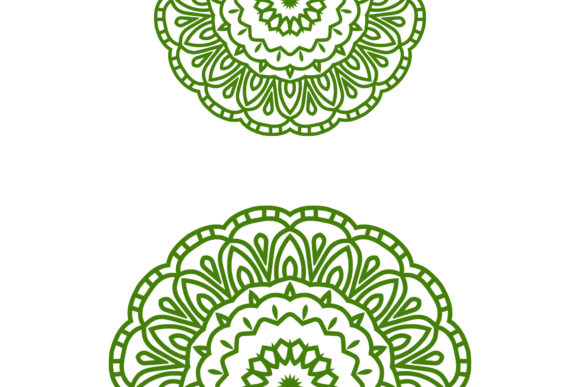
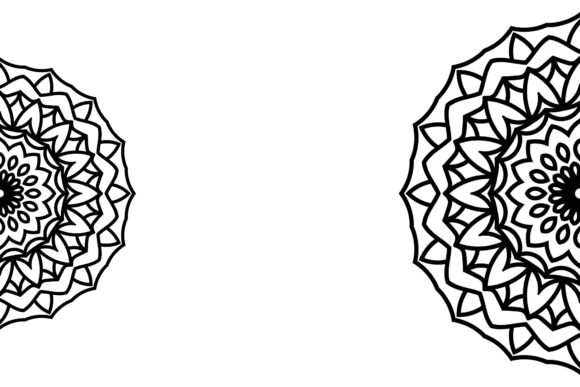
The moment I opened the digital embroidery file, I could tell this wasn’t just another generic pattern. The mandala is intricate yet balanced, with flowing lines and symmetrical elements that evoke a sense of peace and mindfulness. Its layout suggests a decorative rather than functional purpose, making it ideal as a backdrop for names, dates, or logos. The level of detail is generous but not overwhelming, which is great news for those looking to add visual interest without overloading their canvas.
I found the Mandala Backgrounds design to have a strong visual identity — it feels handcrafted and spiritual, something that immediately brings a bohemian or wellness vibe to any project. That said, the mood it creates might not suit every brand or product. If your craft business leans into minimalism or modern aesthetics, this might not be the best fit. However, if you're aiming for something more artistic, personal, or nature-inspired, it can be a powerful addition to your design library.
Real-World Applications
One of the first ways I tested Mandala Backgrounds was on a custom sweatshirt for a boutique client. They wanted a soft, elegant look for a fall collection centered around self-care and yoga. After placing the mandala subtly behind the text “Breathe Deep,” the final result felt cohesive and calming. The stitching clarity was impressive — even after washing, the fill stitches held their shape and didn’t lose definition. This shows promise for long-lasting handmade products like hoodies or loungewear.
Next, I tried the design on a set of tote bag designs. The large format worked well, especially when paired with bold typography. It added depth and a sense of craftsmanship that elevated the overall look. Customers loved the combination of art and function; it made the tote feel like a meaningful personalized gift rather than just a promotional item.
I also used it for a baby shower gift — an embroidered pillow cover with the words “Welcome Home” stitched above the mandala. The design’s soft curves and organic flow complemented the gentle message perfectly. Parents-to-be were delighted with how it enhanced the handmade presentation, adding a touch of elegance and warmth. For holiday gifts or nursery decor, this kind of design adds emotional value.
When working with embroidered patches, I found the mandala to be effective as a border element. It framed the central logo beautifully and gave the patch a finished, professional appearance. For sweatshirt embroidery or custom apparel, I recommend using it as a subtle base rather than a focal point, unless you’re going for an all-over coverage style.
Where Caution Is Needed
While Mandala Backgrounds looks stunning on screen, it’s important to consider how it will translate to fabric. Here are some scenarios where it may need careful handling:
- Small hoop sizes: The complexity of the design means it needs adequate space to breathe. Using it in a tight hoop area can lead to overcrowded stitches and reduced clarity.
- Textured fabrics: On denim or canvas, the mandala still looked good, but on wool blends or flannel, the stitch density became less precise due to fabric distortion.
- Thin or stretchy materials: Stretchy fabrics like spandex or thin knits can cause the design to pucker slightly. In such cases, I suggest reinforcing with a cutaway stabilizer and adjusting stitch length.
- Dark fabric backgrounds: Thread colors tend to fade against darker bases. Testing on a black or navy shirt showed that only lighter threads (like cream or white) maintained visibility. You’ll want to review thread color contrast carefully before finalizing.
- Curved surfaces: Embroidering on a cap or curved surface can warp the mandala’s symmetry. Always confirm the hoop size and consider simplifying the corners or resizing the design to match the curve.
- Frequent washing: While the design holds up after a few washes, overly dense areas may start to pill or flatten out. Lightening the stitch density or using polyester threads can help maintain quality over time.
Impact on Product Value and Branding
Incorporating Mandala Backgrounds into your craft business can significantly enhance the perceived value of your finished product. As a background element, it adds a layer of sophistication that customers often associate with thoughtfully curated design assets.
For Etsy sellers and small shop products, this design helps create a unique visual language. Whether it's part of a yoga-themed line or a set of printable mockups for digital sellers, the mandala contributes to a consistent and recognizable brand identity. It makes items appear more intentional and high-quality, increasing buyer engagement and customer trust.
On the flip side, because of its detailed nature, it can also make a product feel too busy if not balanced correctly. My advice is to let the mandala support the main message or image, rather than compete with it. Think of it as a frame — beautiful, but not distracting.
Design Notes for Embroidery Success
Before committing to production, I always test machine embroidery designs on scrap fabric. With Mandala Backgrounds, I noticed that certain areas required more tension control, particularly the tighter fill sections. I recommend experimenting with different stabilizers to find the one that gives you the smoothest finish.
Also, keep in mind that while the design is available in AI and SVG formats, these aren't directly compatible with embroidery machines. You'll need to convert them to DST, PES, or other machine-ready files depending on your system. Make sure to check whether the original source includes those conversions or offers support for them.
If you plan to sell commercial embroidery items or digital versions of this design, licensing is essential. Unless explicitly stated, verify whether the product allows resale of finished goods or redistribution of the digital embroidery file. As a reviewer, I encourage transparency in these matters — your customers deserve to know what they’re getting.
Final Thoughts for Creative Makers
After several tests across different embroidery projects, I’m confident that Mandala Backgrounds is a versatile and visually appealing asset for the right applications. It’s not a one-size-fits-all solution, but with thoughtful placement and adjustments, it can become a standout feature in your handmade product lineup.
Whether you're an Etsy seller looking to elevate your listings, a small shop owner designing for a wellness-themed collection, or a hobbyist wanting to personalize gifts, this design has potential — just use it wisely. Pay attention to fabric type, hoop size, and thread contrast, and you’ll get the most out of it.
So yes, Mandala Backgrounds deserves a place in your design toolkit. Just don’t forget to test it thoroughly before sending it off to clients or customers. Your eye for detail is what sets your work apart — and this design can be a perfect partner in the right context.